

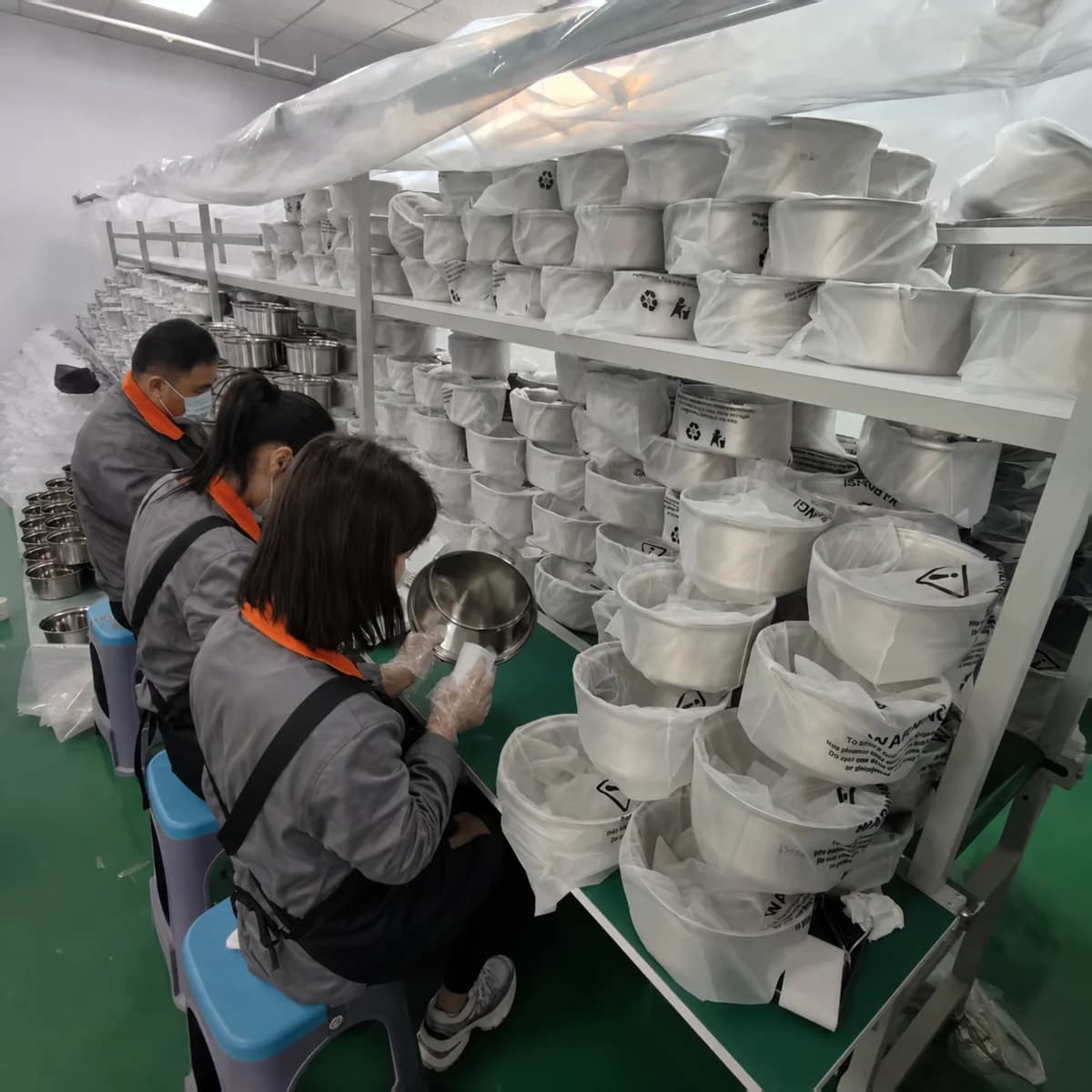
A production lot can look finished and still be wrong. The pump may run but produce a different stream, the approved outlet may have been replaced, or a rechargeable unit may charge without working correctly in its selected mode. Even the right fountain can arrive with the wrong filter, manual or retail box.
Inspect the shipment against the approved sample, specification and order. Confirm appearance and assembly, run the functional checks required by that exact fountain platform, verify accessories and packaging, and apply the agreed sampling and defect criteria. Close outstanding corrective actions before the authorized shipment-release decision.
A powered stainless steel fountain, a rechargeable sensor model and a wireless-pump fountain need different functional checks. This guide helps buyers turn those differences into an inspection brief, rather than asking an inspector to judge every product against the same generic list.
Key Takeaways
- Inspect a defined model and configuration against an identifiable approved reference.
- AQL governs sampling acceptance. It does not replace functional testing or promise a defect-free shipment.
- Agree test conditions and defect classifications before inspection begins.
- Verify the complete packed order, including accessories, manuals and packaging versions.
- A failed or incomplete inspection needs a documented resolution before release.
Start With the Approved Sample, Not a Generic Checklist
The first inspection question is simple: which product was approved? A photograph and a broad description such as “stainless steel sensor fountain” leave too much open. The reference must identify the housing, water outlet, tray, filter, pump, power system and operating version that belong together.
Use an approved sample alongside a dated specification and order reference. Where they differ, resolve the difference before the inspector starts. An old sample with a newer packaging brief can be workable, but the exceptions must be explicit. Otherwise the inspector cannot tell a deliberate revision from an unauthorized substitution.
At Fountelio, our published quality-control process starts with the approved sample and specification. For a buyer, the useful consequence is traceability: the inspector should be able to connect a checked unit to the configuration ordered, rather than simply confirm that it resembles the catalog image.
- 01Identify the reference
Model, version, sample and specification revision.
- 02Identify the inspected lot
Order, quantities, cartons and production status.
- 03Compare and record
Document conformity, deviations and any unresolved reference conflict.
What Should Be Ready Before a Pre-Shipment Inspection?
Give the inspector a compact, consistent inspection pack before the visit. It should explain both what to inspect and what evidence will support a decision. Supplying documents after a defect is found invites disagreement about which requirement applied.
| Reference | What it establishes |
|---|---|
| Approved sample | Appearance, fit and configuration baseline; identify any approved exceptions. |
| Final specification | Dimensions, components, functions and agreed tolerances. |
| Order / PO | Model mix, quantities and the lot to be inspected. |
| Approved artwork | Logo, print, label and packaging revision. |
| Accessory list | Exact included filter, outlet, power parts and other items. |
| Manual version | Correct language, model and operating instructions. |
| Packaging reference | Pack-out, protection, retail box and master carton. |
| Defect criteria | Agreed Critical, Major and Minor classifications. |
| Functional plan | Tests, conditions, scope and acceptance criteria for the platform. |
Also agree who can answer a reference question during inspection and who can authorize release. If flow, sound or sensing is important, define the comparison or measurement in advance. “Works normally” is not a useful criterion when buyer and supplier have different expectations of normal.
When Should the Final Inspection Take Place?
Schedule it when enough finished and packed goods are available for representative selection, while there is still time to resolve findings before shipment. Confirm actual production and packing status before booking travel or an inspector.
For example, QIMA describes its pre-shipment inspection service as taking place when at least 80% of production is completed. That is a provider’s practice, not a universal legal threshold. The buyer’s plan must also address the unfinished balance and any packaging checks that cannot yet be completed.
A demonstration using a few handpicked units is not representative random selection from the lot. Make cartons and model variants accessible, document the selection method, and state any restriction in the report. If part of the order is not ready, keep that limitation visible rather than extending the result to goods the inspector could not assess.
What Does AQL 2.5 / 4.0 Actually Mean?
AQL 2.5 / 4.0 does not mean a buyer agrees to accept 2.5% major defects and 4% minor defects in every shipment. AQL, or Acceptance Quality Limit, is an index used to select an acceptance-sampling scheme. It is not a quality score assigned to the product.
The agreed standard, lot size, inspection level, inspection severity and sampling plan determine how the inspection is conducted. The selected plan supplies the sample size and acceptance/rejection criteria. Normal, tightened and reduced inspection are parts of a defined system, not settings to choose simply because an order looks better or worse.
The current ISO 2859-1:2026 addresses AQL-indexed sampling schemes for lot-by-lot inspection by attributes. ANSI/ASQ Z1.4-2003 (R2018) is another published acceptance-sampling system. Agree the standard and edition being used; mentioning both here does not mean their plans should be mixed.
Our published internal final-inspection reference at Fountelio is AQL 2.5 for Major defects and 4.0 for Minor defects for applicable production lots. Sampling quantity and scope depend on the order and confirmed inspection requirements. This describes our stated reference, not a claim that every project uses the same plan or a particular standards edition.
Agreed standard, lot, inspection level, plan and AQL determine the sampling and acceptance criteria.
The approved configuration determines appearance, assembly, function and packing checks.
Before the visit, obtain the actual sampling instructions and classification rules, including how nonconforming units or nonconformities are counted. Do not reconstruct a plan from a percentage or an online sample-size shortcut. This guide does not reproduce ISO or ASQ sampling tables, and it does not assign a Critical AQL on the parties’ behalf.
Define Critical, Major and Minor Before Inspection
Agree defect classifications before anyone starts counting findings. The same visible mark can have different consequences depending on its location, the approved finish criteria and the product’s intended use. Safety concerns require a different response from an agreed cosmetic deviation.
| Class | Principle | Possible project example |
|---|---|---|
| Critical | Safety, serious compliance or otherwise unacceptable risk defined for the project. | Specify the relevant risk and required response before inspection. |
| Major | Failure of approved function or a substantial configuration mismatch. | Pump failure, wrong operating version or missing essential component. |
| Minor | A limited defect that does not prevent intended use. | A cosmetic deviation classified as Minor under agreed appearance criteria. |
These examples are not binding classifications for every fountain. Record acceptance limits, inspection conditions and reference photos where useful. A blemish within an agreed tolerance should not become a defect merely because an inspector would personally prefer a different finish.
Define escalation for a potentially serious finding separately. The inspector should not improvise a Critical threshold, downgrade a functional problem to make a lot pass, or treat an unclassified issue as automatically acceptable. An unresolved classification belongs in the report and release review.
What Should Be Checked on Every Cat Water Fountain Order?
Build the common checklist around appearance, assembly, function and packing. Then add the tests required by the specific platform. Keep the test extent explicit: a checklist naming a check does not establish that every unit receives it.
Appearance and finish
Compare surfaces, color, visible edges, window fit and branding with the approved reference. Use consistent lighting, viewing conditions and agreed defect limits. Photograph a finding with enough context to show its location, then add a close-up if needed. A tightly cropped image alone can exaggerate or hide the practical significance.
Assembly and fit
Check that the tray, lid, outlet, filter holder and applicable base seat as intended. Follow the model’s normal assembly sequence and assess parts intended for user removal. A unit that works only after an inspector forces a misaligned part into position needs investigation, not an unexplained pass.
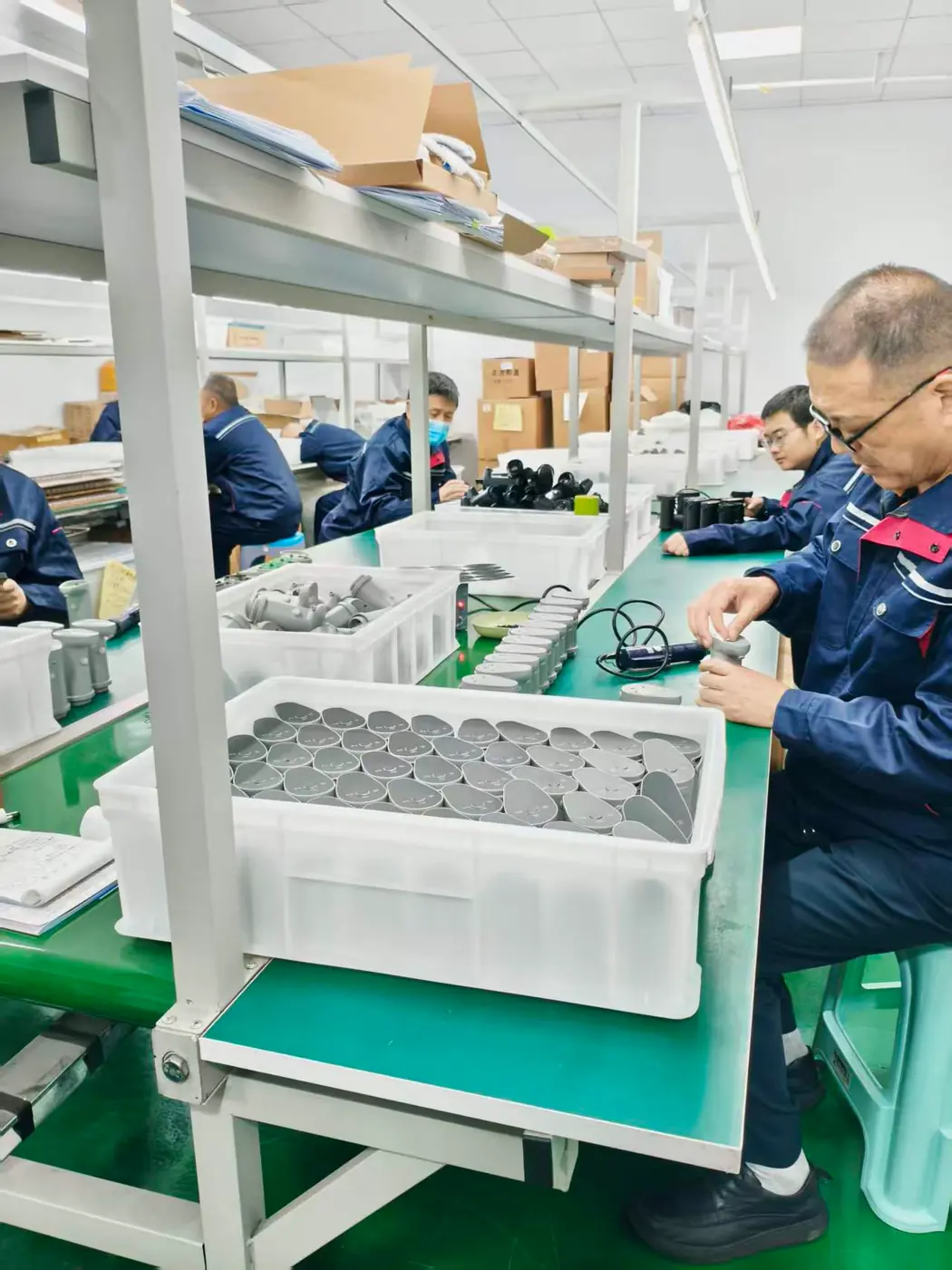
Function under defined conditions
Prepare the filter and water level according to the model instructions, use the specified power source and run the agreed mode. Observe startup, flow and unexpected vibration or leakage for the agreed duration. Never run a water pump dry to demonstrate that it powers on. Keep non-submersible electronics dry.
Packing and completeness
Compare the packed contents with the order’s accessory list, not with another platform’s box. Check the manual, artwork and carton identity as well as the fountain. A correct body with an incompatible filter or wrong instructions is still an incorrect delivery.
Different Fountain Platforms Need Different Functional Checks
A motor running is only one observation. It does not establish that a rechargeable model operates on battery, that a sensor triggers correctly, or that the selected outlet produces the approved flow. Write a platform-specific test sheet with conditions, expected behavior and a place to record results.
| Platform | Additional checks to define |
|---|---|
| Standard powered plastic | Specified supply and pump; startup, water path, flow, sound and assembly. |
| Standard powered stainless steel | Powered checks plus finish, edges, viewing window and the approved outlet/tray combination. |
| Rechargeable plastic | Charging, battery operation, sensor response, agreed modes and indicators where fitted. |
| Rechargeable stainless steel | Rechargeable checks plus housing finish, faucet configuration and eligible window option. |
| Wireless pump | Matching pump and base, tank seating and flow; radar/battery or USB continuous operation according to version. |
Pump, water flow and noise
Check the approved outlet and flow setting before interpreting a weak or unusual stream as a pump defect. Water level, filter preparation, tube alignment and seating can change the result. Record the test setup, correct a setup error openly and repeat the observation. If the fault returns, record that too.
For noise, separate pump sound, housing vibration and water-impact sound. Compare like conditions, including water level and the supporting surface. A phone recording can help locate a rattle, but it is not a calibrated sound-level measurement. If a numerical noise limit is contractual, agree the instrument, distance, environment and operating conditions.
Standard stainless steel: outlet and tray must match
The current standard stainless steel platform offers an upgrade on selected Oval, Square and Rectangle shapes: an enlarged viewing window, a choice of four new spouts and a matching revised tray. The classic faucet remains available. Inspect the selected combination, including seating and actual flow pattern; a similar-looking outlet is not an approved substitute.
This upgrade does not apply automatically to every shape or rechargeable stainless model. Check exposed edges, surface finish and window fit against the specification, and confirm any leak-check method and duration in the inspection plan.
Rechargeable models: separate charging from operation
For rechargeable models, we separate appearance, charging, sensing and mode checks in our published QC scope because one does not prove the others. Confirm the specified charging supply and indicators, then check battery-powered operation according to the approved plan. A charging light alone does not verify battery capacity or advertised runtime.
Test the selected modes individually under defined conditions. Specify approach direction, distance, waiting/reset behavior and repeat attempts for a sensor check. Do not use one generic detection distance for every model. Longer runtime or capacity verification, where required, needs its own agreed method rather than a short final-inspection demonstration.
On the current rechargeable stainless platform, the enlarged-window option is limited to eligible shapes and is independent of the faucet family. Do not import the standard powered model’s four-spout upgrade into this checklist.
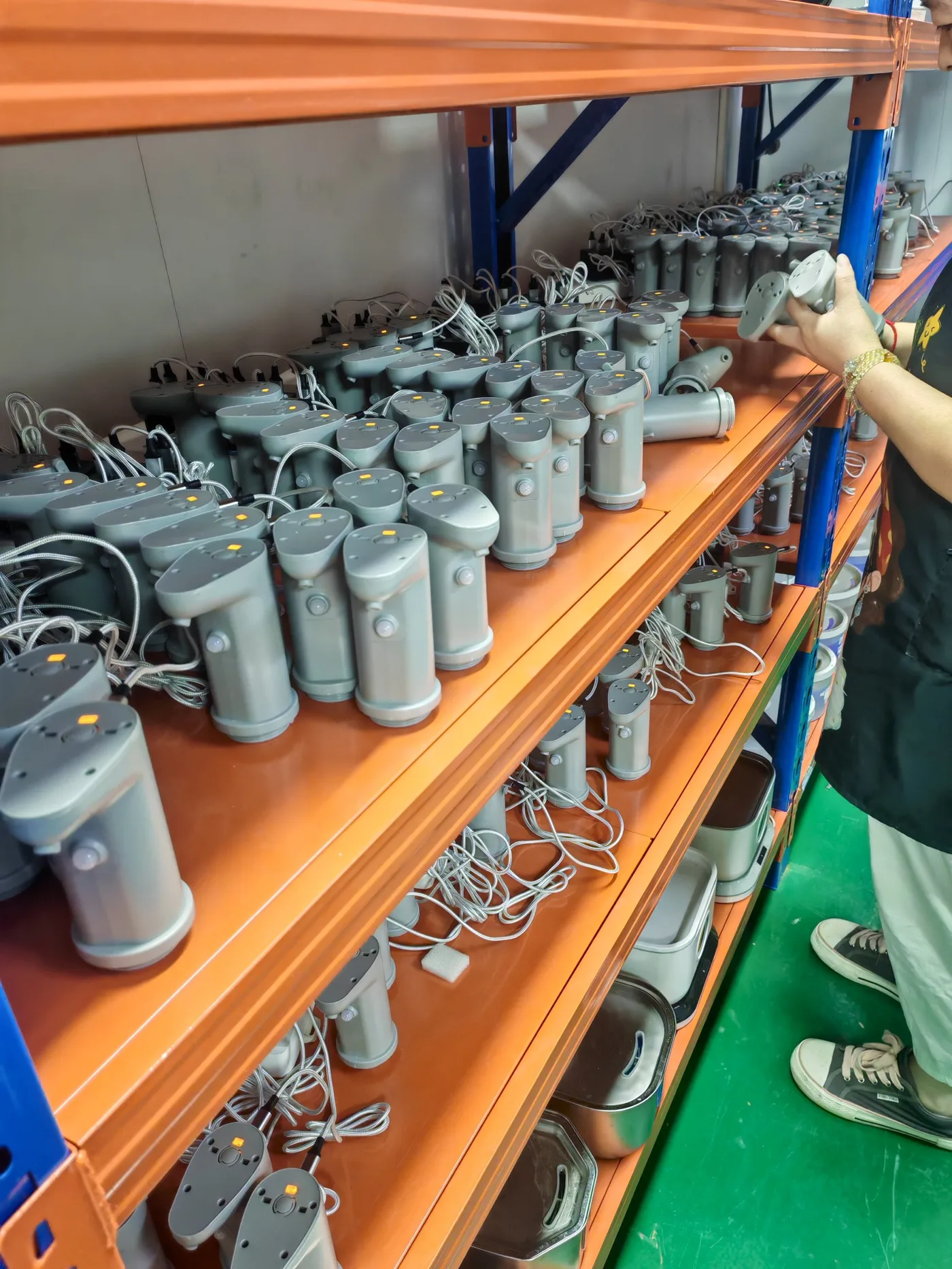
Wireless pump: identify the base version first
The wireless-pump platform has distinct rechargeable radar and USB continuous-flow versions. A USB version does not acquire battery or radar requirements because the pump is described as wireless. Start with the correct pump/base combination, tank seating and selected outlet.
For the rechargeable radar version, define charging, battery and radar-mode checks. For USB continuous flow, check the specified supply and continuous behavior. Keep the base dry and follow the intended tank-removal and reseating sequence. Record the version on the test sheet so a result cannot be transferred accidentally to another architecture.
Does Passing AQL Mean the Shipment Is Defect-Free?
No. AQL is a sampling-based lot acceptance method. A passing result does not prove that every uninspected unit is defect-free. It also does not prove functions that were outside the inspection scope.
Read the result together with the sample selection, test coverage and limitations. A report can meet an appearance acceptance criterion while a required charging test remains pending. Where the project requires additional checks or full screening of a specific issue, define that work separately instead of expecting the AQL result to cover it.
Sampling acceptance, product conformity and shipment authorization are related but different decisions. The buyer’s release procedure should say which outstanding conditions prevent shipment, even when the sampled defect count is within the agreed acceptance criteria.
Packaging Is Part of the Shipment Inspection
Open packed units and compare the complete contents with the approved pack-out. Confirm the correct fountain, filter, pump or module where included, outlet, cable or charging accessory, and manual. Do not assume that a wall adapter is supplied simply because a cable is present.
Check inner protection and whether loose accessories can rub against the housing or finish. Review retail-box artwork, model identification, labels and agreed barcode checks. At carton level, confirm quantities, marks and the correspondence between the order and packed model mix.
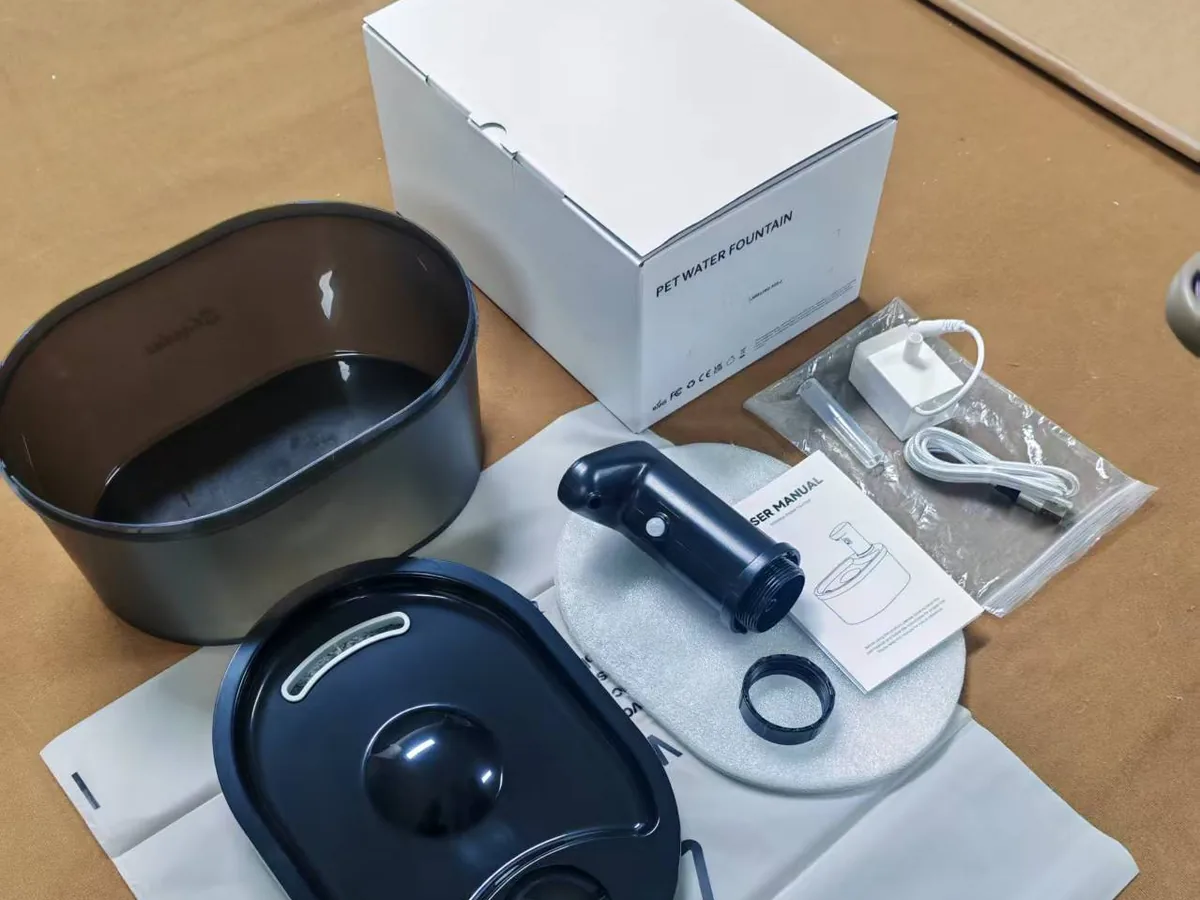
A visual packing inspection does not establish transport-test performance. If a channel requires a separate test or approval, verify that evidence independently. The retail and e-commerce packaging guide explains how to define protection, artwork and carton requirements before this final check.
What Should a Pre-Shipment Inspection Report Contain?
A useful report lets someone who was not at the factory understand what was inspected, what was found and what remains unresolved. A green cover page without traceable results is insufficient for a release decision.
| Report item | Why it matters |
|---|---|
| Order and lot identity | Connects the result to the correct model, version and quantities. |
| Production and packing status | Shows what was available and what remained unfinished. |
| Selection and sample size | Explains selection, plan and scope, including different test subsets. |
| Defect counts by class | Supports the acceptance decision under agreed counting rules. |
| Photographs | Locates findings and documents reference, unit and carton identity. |
| Functional results | Records conditions, mode, duration and outcome of required checks. |
| Measurements where specified | Shows actual values against agreed requirements. |
| Accessories and packaging | Confirms contents, versions, protection, labels and quantities. |
| Result and limitations | Separates Pass, Fail and Pending items and explains exclusions. |
| Corrective action and follow-up | Assigns responsibility, closure evidence and any reinspection. |
QIMA’s report example illustrates a provider’s use of an overall result, findings, detailed checks and photographs. Use such examples to improve reporting clarity, not as proof that a standard report automatically covers fountain-specific functions.
Ask for “not tested” to be distinguished from “passed.” If only a subset received a longer functional check, record that subset. Attach the revision of the checklist used so later readers do not interpret the report against a newer specification.
What Should Happen If the Inspection Fails?
Hold shipment while the finding and required response are reviewed. A failed inspection does not automatically mean canceling the order, but informal reassurance is not corrective-action evidence.
First identify the failure: a wrong component, assembly problem, functional fault, packaging mismatch or another deviation. Determine which quantity or variants may be affected. Sorting or rework may be appropriate, but the proposed action must address the cause as well as the units already found.
- 01Hold and define
Record the issue, defect class and potentially affected goods.
- 02Correct and document
Agree sorting or rework, responsibilities and evidence of the correction.
- 03Verify again
Reinspect or perform the agreed follow-up checks on the defined lot.
- 04Review release
Resolve remaining conditions and obtain authorization before shipment.
For a wrong outlet, replacing the part may also require confirming the matched tray and flow. For a revised manual, check that the corrected version reaches every affected pack. A localized fix can leave a related problem unresolved.
Keep the original report and connect follow-up evidence to it. Do not silently replace a Fail with a Pass or remove affected goods from the story. Document any split lot and the basis for a partial release. The authorized buyer decision should follow the agreement, including any permitted concessions and unresolved risks.
Should You Use a Third-Party Pre-Shipment Inspection?
Independent inspection can be useful when the buyer needs evidence beyond the supplier’s own checks. Decide from order risk, visibility and buyer policy rather than treating it as mandatory for every shipment.
| Situation | Reason to consider it |
|---|---|
| First order or new supplier | Establishes an independent baseline before delivery. |
| New configuration or tooling | Checks the production result against a changed reference. |
| Large or high-value order | Adds evidence where the consequence of a mismatch is greater. |
| Buyer cannot visit | Provides on-site observations under the buyer’s brief. |
| Stable repeat SKU | Frequency and scope depend on performance history and buyer policy. |
Ask whether the provider can execute the actual functional checklist, not just a general consumer-product inspection. Confirm the time, equipment, water/power setup and access needed. Independence does not make an inspector automatically familiar with the selected sensor or pump architecture.
From our side of the sourcing discussion, I would put the final specification, accessory list and packaging reference in the inspector’s hands before the visit. That gives the buyer and supplier a common basis for answering a finding, regardless of who performs the inspection.
A Product Change Can Change the Inspection Checklist
Reusing last order’s checklist is reasonable only after confirming what has changed. A new outlet, larger window, tray revision, filter, sensor setting or packaging version can create a new inspection requirement while the commercial model name stays familiar.
The standard stainless upgrade is a practical example. Selecting a new spout also calls for confirming the matching revised tray and intended flow pattern. Checking only housing appearance would miss the relationship between those parts.
For repeat-order review, I would ask for the configuration changes first, then map each change to the inspection sheet. A component drawing, sample revision and updated packing list should tell the same story. This is consistent with the configuration-led approach described in our manufacturing process.
Document the affected tests, instructions and references before production approval. A replacement filter may change the accessory check; a battery or control revision may change functional verification. Do not assume old results establish conformity of a revised product.
Five Gates Before Shipment Release
Make release a short, documented decision against the order’s requirements. Someone with the agreed authority should be able to see the reference, the result and the closure evidence without reconstructing a long message history.
- 01Approved product reference
The inspected model and revision match the order.
- 02Appearance and assembly
Findings are assessed against agreed criteria.
- 03Platform-specific function
Required tests are complete with traceable results.
- 04Packing and order completeness
Accessories, versions, cartons and quantities are confirmed.
- 05Inspection and action closure
Results are reviewed and required corrective actions are verified.
A pending result should remain pending until the missing evidence is supplied or a documented decision is made under the agreement. Passing inspection should not be confused with changing payment terms, carrier instructions or contractual responsibilities; those remain part of the order process.
How Fountelio Approaches Final Inspection
Our published approach connects the approved model with appearance, assembly, platform-specific function and packing completeness. The internal AQL reference is part of that process, not a substitute for identifying the correct product and test scope.
For a buyer’s inspection brief, the next step is to turn those categories into order-specific requirements: which configuration, which tests, what evidence and who approves release. Where a requested check goes beyond the published scope, confirm the method and feasibility before committing to it.
Fountelio manufactures and supplies fountains, so this is a manufacturer-authored guide. The buyer principles apply equally when evaluating another supplier. Factory photographs show real work and components; they are not an inspection certificate for the reader’s order.
Frequently Asked Questions
What should a cat water fountain pre-shipment inspection check?
Check the approved configuration, appearance, assembly, pump and flow, platform-specific functions, accessories, branding, packaging and agreed sampling/defect criteria. Record limitations and unresolved findings.
Does AQL 2.5 mean 2.5% defective products are allowed?
No. It is an index used within an acceptance-sampling scheme, not a fixed permission for that percentage of defects in each shipment.
Can all cat fountains use the same QC checklist?
They can share common appearance and packing categories. Powered, rechargeable sensor and wireless-pump versions need different functional checks.
Should every unit receive a full functional test?
Define coverage by test and project. This guide does not claim universal 100% inspection. Sampling acceptance and any separately agreed full screening should be documented distinctly.
Can a short charging check prove battery runtime?
No. Charging behavior, operation on battery and runtime are different observations. A runtime claim needs an appropriate agreed test.
Are accessories and manuals part of inspection?
Yes. Verify them against the approved packing list and model revision. A wrong filter or operating manual can make an otherwise correct fountain an incorrect shipment.
Is third-party inspection compulsory?
Not as a universal rule. Follow buyer policy, contractual requirements and project risk. The inspector still needs a model-specific brief.
What happens after a failed inspection?
Hold shipment, define the affected goods, agree corrective action and verify it through the required follow-up or reinspection before the release decision.
Which ISO edition does this guide reference?
ISO 2859-1:2026. The 1999 edition is withdrawn. Confirm the edition specified for your actual project instead of assuming that an article determines the contract.
Sources & References
Standards explain sampling; product pages establish Fountelio’s published scope. QIMA is cited only as an example of a commercial inspection provider’s timing and reporting practice.
- ISO 2859-1:2026: current sampling standard and edition status.
- ASQ: ANSI/ASQ Z1.4 and Z1.9 sampling standards.
- QIMA: pre-shipment inspection service and timing.
- QIMA: example pre-shipment inspection report.
Fountelio’s Quality, Manufacturing and linked platform pages supply the product-specific references used above. Sampling tables are not reproduced. Inspection criteria and release responsibilities must be agreed for the actual order.
About This Guide
Written by Lance, Director at Fountelio, from a sourcing and commercial project perspective. Technical examples are limited to published product configurations and QC scope. This guide explains buyer decisions; the approved inspection plan determines the checks for a particular shipment.