

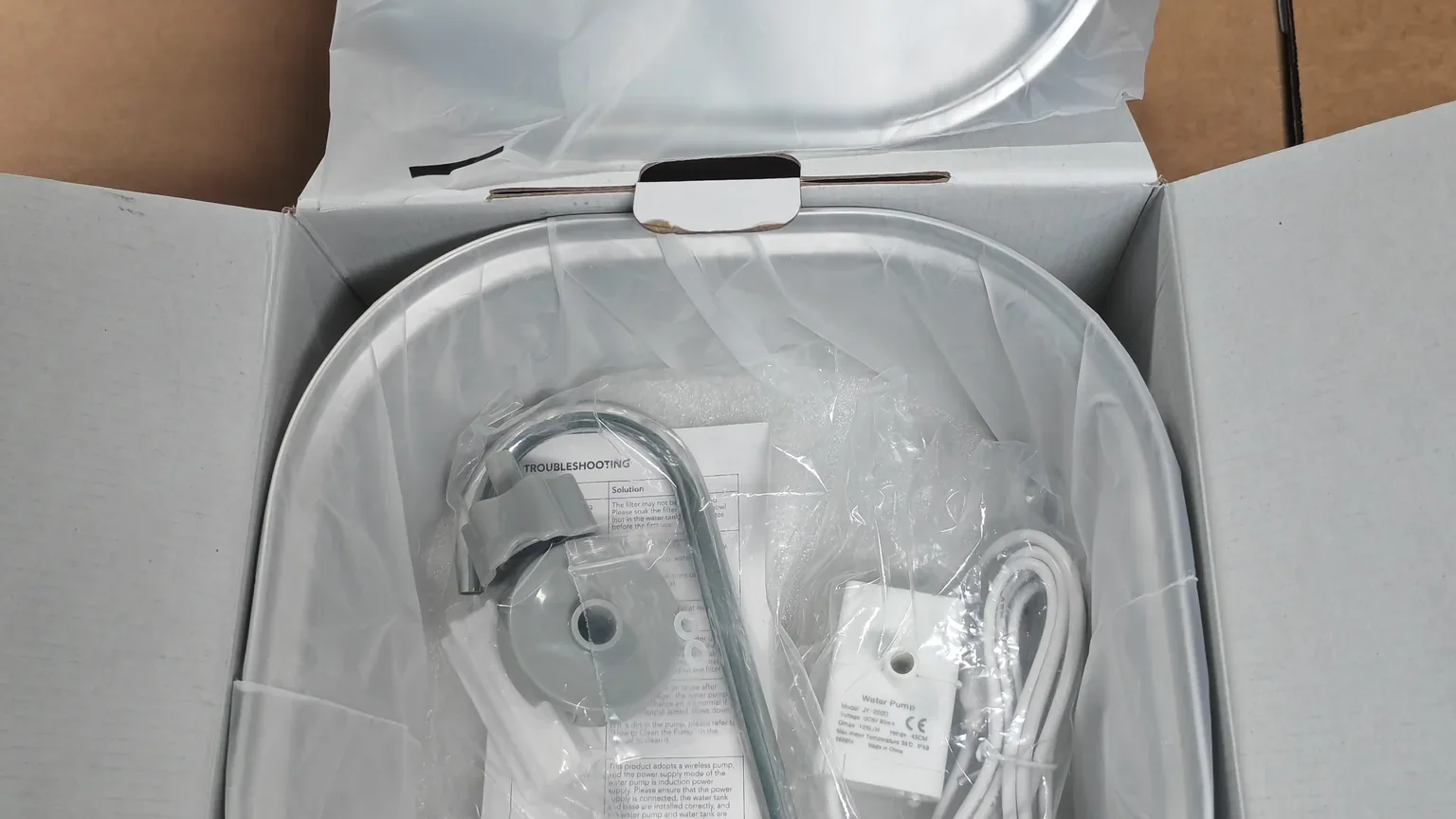
A buyer may spend weeks selecting the fountain, approving the logo and reviewing the sample, then leave packaging until the final stage. That is when practical problems appear: the manual does not fit, an accessory moves inside the box, a stainless surface rubs against a loose part, or the barcode lands across a fold.
Define packaging before production approval, not after production begins. Start with the exact product and pack-out, decide where and how it will be sold, then confirm inner protection, accessory placement, retail-box structure, manual, barcode or labels, master carton and the quantities required for the first order and later reorders.
Retail and e-commerce packaging do not always require completely different boxes. The same retail pack may serve both channels when its protection, dimensions and labeling suit the real distribution path. The useful question is whether the approved pack can present the product and protect it through the handling it will actually encounter.
What Should Buyers Confirm First?
- Pack the approved configuration. The packaging reference includes the fountain, fitted parts, manual and every item promised in the box.
- Plan for the sales channel. Retail presentation and e-commerce handling create overlapping but different decisions.
- Review protection before artwork. Inserts, accessory positions and packed dimensions define the box that artwork must fit.
- Separate product and packaging quantities. A custom printed box can have a different minimum from the fountain order.
- Recheck meaningful changes. A new product, insert, material or packing method can change the package's transport behavior.
A Cat Water Fountain Package Is More Than the Retail Box
A complete packaging specification covers the product, everything packed with it, the material that holds those items in place, the consumer-facing box and the outer shipping configuration. Approving only the graphics leaves the physical pack unresolved.
For a fountain, the pack-out may include the body or reservoir, tray or lid, filter, pump, outlet, cable or charging accessory where applicable, manual and smaller fittings. Each item needs an identified position and a way to avoid damaging or disappearing beneath another part. The retail box and master carton then have to match the completed unit, rather than an early product dimension.
In the projects we handle, a packaging discussion becomes productive when the exact model and included-item list are visible on the same reference. That makes it possible to check whether the manual, filter and power parts belong to the product before debating color, finish or front-panel copy.
Packaging is part of the approved product configuration—not an artwork task left until the end.
Retail vs E-commerce Packaging: What Changes?
Retail packaging primarily has to present and identify the product at the point of sale, while e-commerce packaging must also cope with the handling pattern between fulfillment and the customer's door. The two jobs overlap, but a shelf-ready box is not automatically parcel-ready.
A mixed-channel brand may keep one retail pack and add an over-box or another transport arrangement for e-commerce. Another project may design one ship-ready sales pack. Neither route is universally better. Compare the real distribution path, retailer rules, parcel size, protection and unboxing requirement before deciding.
We normally start by asking where the packed fountain will actually travel. A box intended mainly for retail case distribution follows a different handling path from a unit shipped individually through parcel networks.
| Requirement | Retail | E-commerce |
|---|---|---|
| Primary job | Shelf presentation and product information | Protection through parcel and fulfillment handling |
| Retail-box appearance | Central to merchandising | Still relevant, but does not replace protection |
| Barcode | Point-of-sale and inventory requirements | Listing, fulfillment and logistics requirements |
| Movement inside the box | Must remain controlled | Especially important through repeated handling |
| Surface protection | Protects the shelf-ready product | Must remain effective after parcel movement |
| Empty space | Balance presentation, fit and protection | Reduce unnecessary volume without removing protection |
| Outer shipping pack | Usually case or master-carton planning | May include parcel or fulfillment requirements |
| Opening experience | Shelf purchase and first opening | Delivery condition and unboxing |
The table describes planning priorities, not weaker versus stronger boxes. A retail package still needs protection, and an e-commerce package still carries brand, product and identification information.
Think in Three Packaging Levels
Breaking the pack into three levels helps buyers assign each decision to the right reference. A change at one level can still affect the next: a thicker protective insert changes the sales-box dimensions, and a larger sales box changes the master-carton layout.
Level 1 — Product protection
This is the material and arrangement directly around the fountain and its parts. It controls contact between surfaces, limits movement, supports vulnerable shapes and keeps accessories in their intended locations. The exact material must come from the approved pack, not from a generic packaging list.
Level 2 — Sales packaging
The retail box presents and identifies the product. It carries the approved artwork, model information, manual, barcode and market information required for the program. Its dimensions should be based on the protected pack-out.
Level 3 — Transport packaging
The master carton groups retail units for storage and shipment. Record its unit quantity, dimensions, weight and agreed marks separately. E-commerce fulfillment may add or replace parts of this transport level depending on how individual units are dispatched.
Start With the Pack-Out Before Designing the Box
Fix the items and their arrangement before finalizing the dieline. The starting record should name the fountain model, outlet, filter, pump, cable or charging item where applicable, manual and any accessory supplied with the unit.
A pack-out affects more than whether everything fits. It determines where weight sits, which surfaces can touch, how the user first encounters small components and whether an item can move into an empty space. It also establishes the final packed size used for the retail box and master-carton calculation.
From our side of the table, a product photo is not enough to release packaging. We want an identifiable configuration and packing list because two fountains with similar bodies can use different outlets, filters, cables or base components.
A dieline built around the wrong accessory configuration is still the wrong packaging, even if the artwork is perfect.
What Should the Inner Packaging Protect?
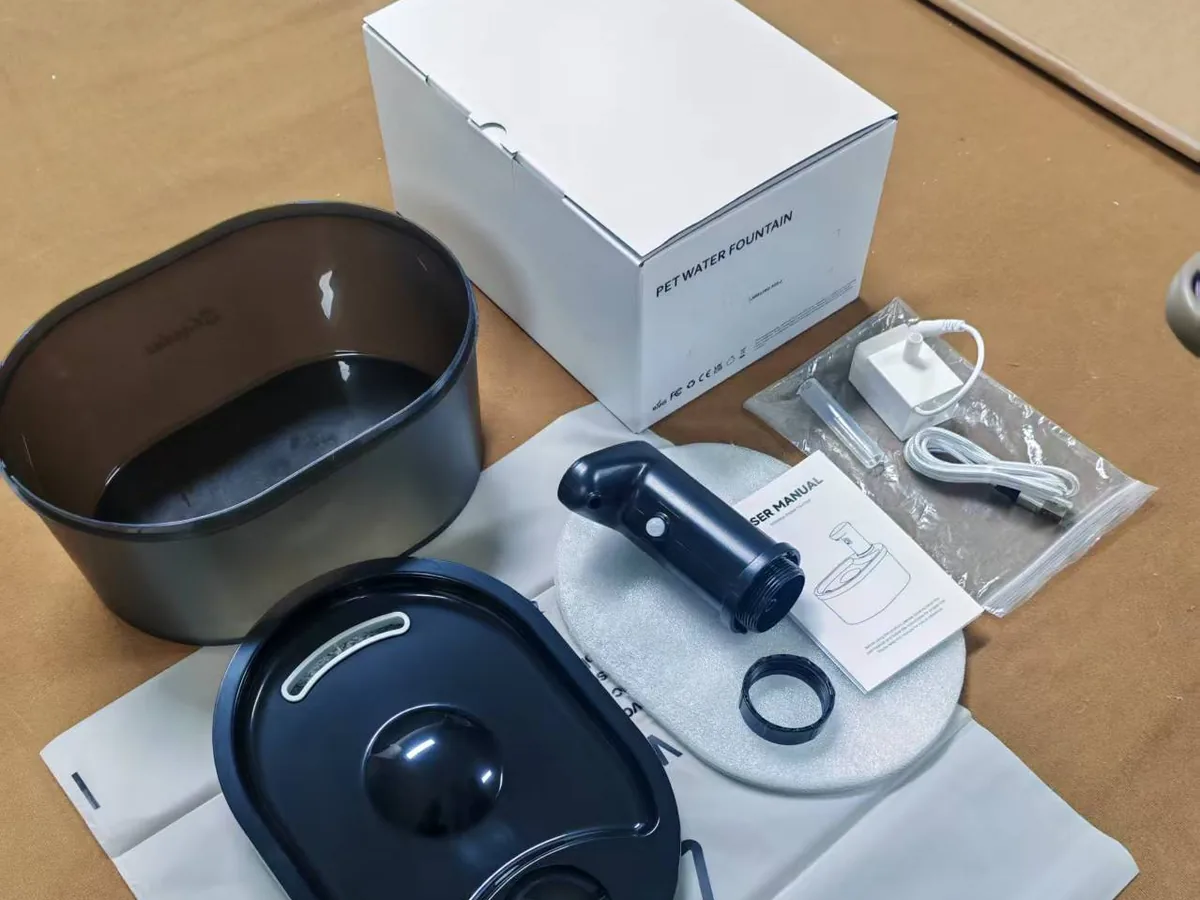
Inner protection should address contact, movement and load for the actual product. Begin with the housing and tray, then trace every separate component that could rub, press, shift or become lost during handling.
For a fountain, review the body finish, tray or lid edges, outlet, pump, filter, cable and any electronic base separately. Small accessories should not be left loose against a coated plastic or stainless surface. A fitted part also needs enough clearance that pressure on the carton is not transferred to a vulnerable feature.
With stainless steel models, one detail we pay particular attention to is contact between the finished surface and loose accessories inside the pack. The approved arrangement should keep those parts separated without assuming that one protection layout fits every model.
The protection design should still support efficient packing and a clear opening sequence. More material is not automatically better: unnecessary layers can increase packed size without controlling the actual risk. Record the approved arrangement with photos or a pack-out sample so production does not have to reconstruct it from memory.
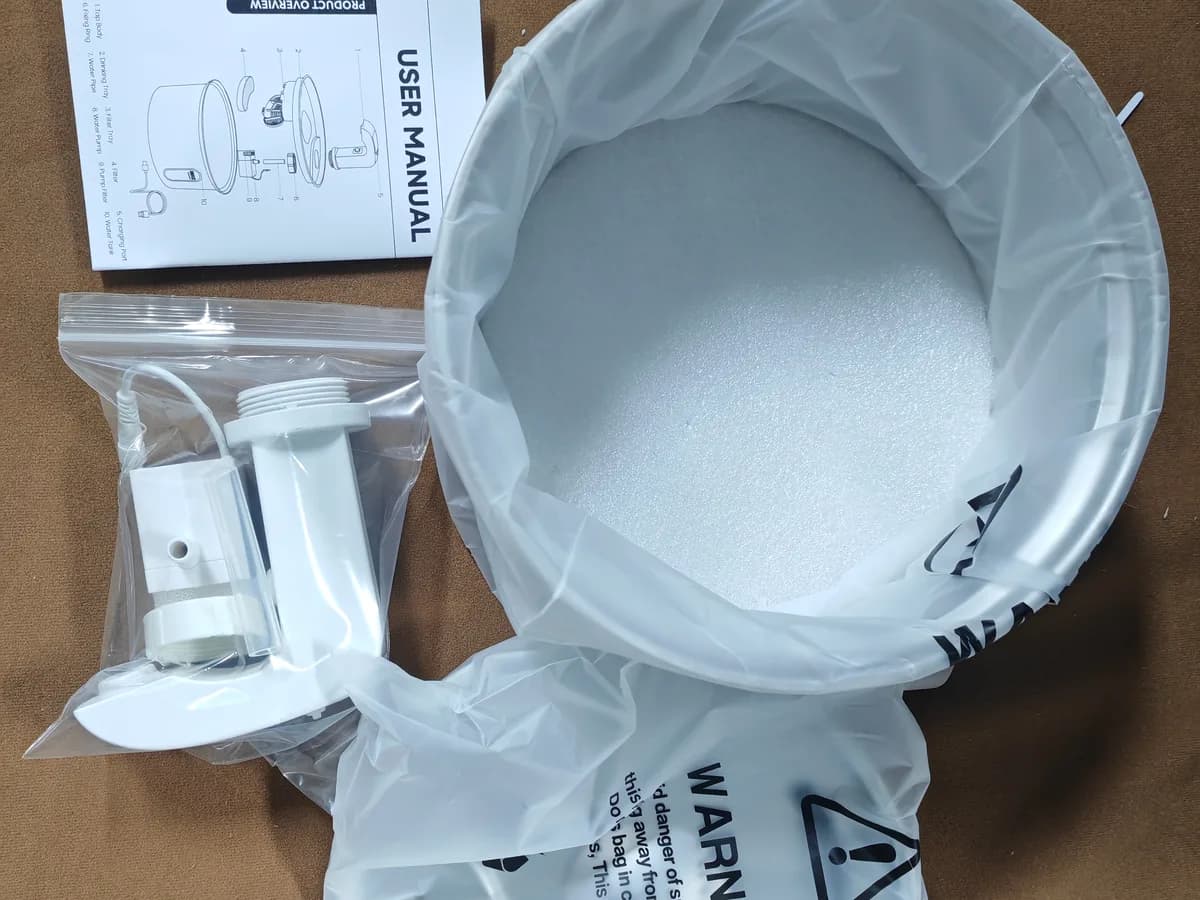
Does Packaging Change by Fountain Material?
It can, because different surfaces and part geometries create different contact risks. The material label alone does not determine the package; inspect the finished parts that will touch during shipment.
Stainless steel fountains
Separate metal surfaces from loose outlets, cables and hard fittings that could rub during handling. Review contact between the tray and body as well as the finish visible when the package is opened. Stainless steel is not inherently fragile, but a shelf-ready finish can still be marked by uncontrolled contact.
Plastic fountains
Check molded clips, openings, clear or translucent parts where used, and surfaces that could scuff. A flexible housing and a rigid accessory may respond differently to compression or movement, so the approved insert should match the exact shape.
A material change, finish change or new surface treatment is a reason to recheck the pack-out. Do not copy protection from a different platform solely because the outer box dimensions are close.
Rechargeable and Wireless-Pump Models Need a Different Pack-Out Review
Power and pump architecture change which components belong in the package and which interfaces need protection. A standard powered fountain may center the review on the wet pump, cable path and outlet. A rechargeable sensor model adds a charging arrangement and configuration-specific electronics. A wireless-pump platform may depend on the relationship between the tank, pump module and dry base.
These parts should not be treated as interchangeable accessories. Confirm the base, cable, adapter, pump module and manual for the selected model, then protect them in positions that do not put pressure on sensing or connection areas. The package copy and diagrams must also match the operating version.
The distinction follows the same architecture logic explained in the wireless-pump versus cordless guide. Packaging should preserve those differences rather than reducing every platform to “fountain + cable.”
Where Should the Barcode Be Planned?
Treat the barcode as part of the packaging layout, not as a sticker added after the artwork is finished. The brand or buyer first needs to establish the required product identifier and scanning context, then reserve a suitable printed area on the correct packaging level.
The GS1 General Specifications cover scan-environment, symbol and placement requirements. They warn against positions where a barcode could be obscured or damaged, including edges, folds, flaps, seams and rough or curved surfaces.
Before artwork approval, confirm who supplies the barcode data, which product and pack level it identifies, the required orientation and quiet zones, and whether the retailer or marketplace has its own verification requirement. A master-carton logistics label is a separate question from the consumer unit's point-of-sale barcode.
Manual, Labels and Market Information Belong in the Packaging Brief
The packaging brief should name the destination market, product model, electrical platform, manual language and current document version. This keeps the printed box, product label and manual tied to the same configuration.
Do not use a previous model's manual simply because the housing looks similar. Operating mode, charging, pump arrangement, included parts and cleaning instructions can differ. Market obligations also depend on where the product is placed and who acts as brand owner, importer, distributor or other economic operator.
Selling into the EU?
The European Commission's PPWR overview confirms that Regulation (EU) 2025/40 generally applies from 12 August 2026 and covers packaging placed on the EU market. Measures are phased; later provisions include packaging minimisation and empty-space rules for grouped, transport and e-commerce packaging. Confirm the obligations, responsible party and effective dates for the exact package rather than relying only on a standard export carton.
Should E-commerce Packaging Be Transport-Tested?
Use the distribution channel, retailer or carrier requirement and the project risk to decide. There is no single transport test that every cat water fountain package must use.
ISTA's test-procedure directory separates procedures by distribution environment. For example, ISTA 3A addresses individual packaged products moving through parcel delivery, while Amazon SIOC and over-boxing projects represent specific fulfillment configurations. Selecting a protocol by name without matching the real channel can test the wrong package journey.
Ask whether the unit ships individually, inside an over-box, in a master carton, on a pallet or through several stages. Then define the packaged-product sample, acceptance criteria and responsible laboratory. A passed test applies to the tested product-and-package configuration; it should not be generalized to every model.
ISTA's design and testing guidance says tests must be repeated when the product, package or process changes. In practical terms, a new fountain body, protective insert, material, closure or packing method should trigger a review of whether prior evidence still applies.
Do Not Confuse the Retail Box With the Master Carton
The retail box is the consumer-facing sales unit. The master carton groups a defined number of those boxes for storage and shipment. Their artwork, labels, quantities and approval records serve different purposes.
A master-carton specification should identify the packed retail unit, quantity per carton, carton dimensions, gross and net weight where required, and the shipping or order marks agreed for the project. Do not assume every export mark is a universal legal requirement; confirm the buyer, forwarder, retailer and destination needs.
Changing the retail pack can change the number of units that fit in the master carton and the shipment calculation. Reconfirm both levels together before freight planning.
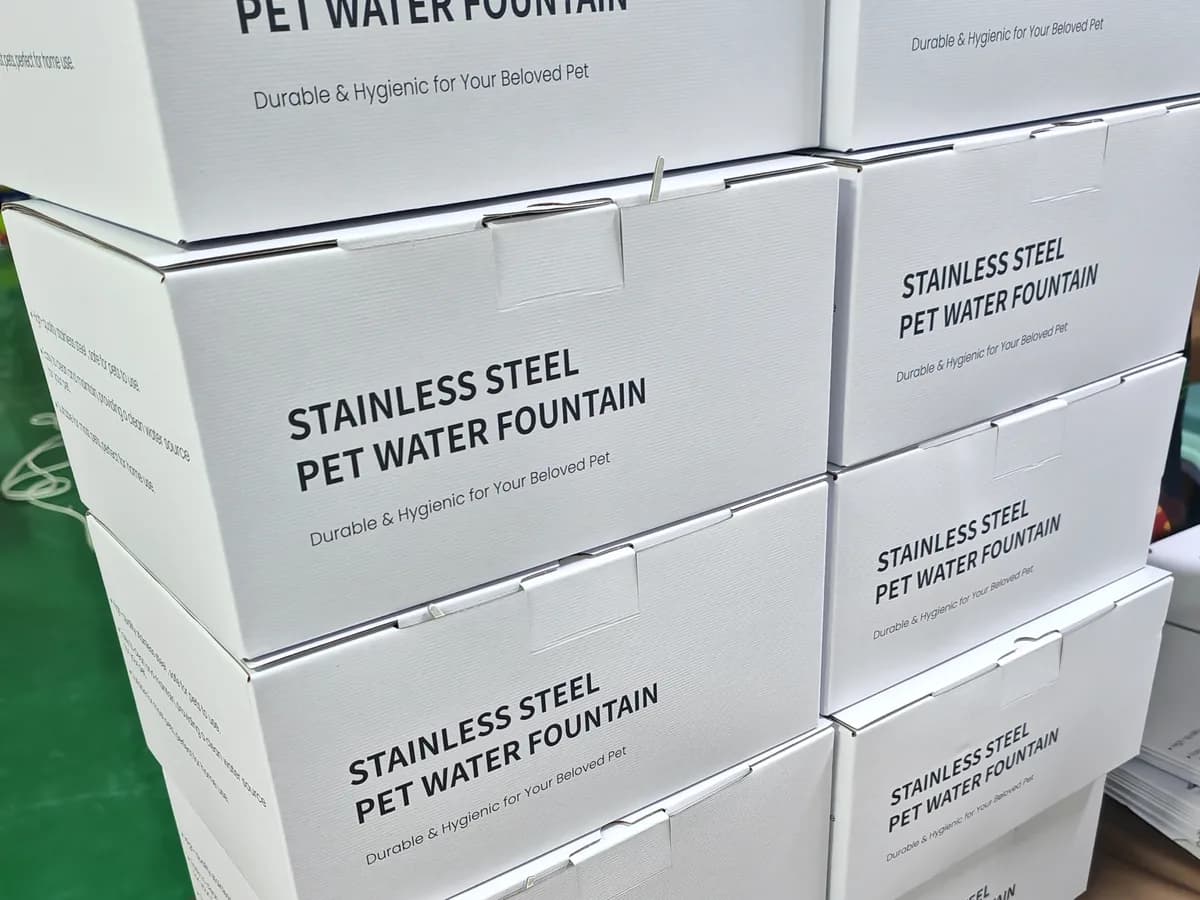
What Should a Packaging Specification Include?
A useful specification lets another person identify the approved pack without relying on the latest chat message. It connects the model, contents, protection, printed files and shipping configuration.
| Item | Confirm |
|---|---|
| Fountain model | Exact model and version |
| Pack contents | Filter, pump, outlet, power items and accessories actually included |
| Retail box | Verified kraft, full-color or other approved option |
| Inner protection | Material and layout approved for that configuration |
| Manual | Correct language, model and revision |
| Barcode | Required symbol/data and approved placement |
| Product label | Content and position where applicable |
| Artwork | Current approved file and dieline revision |
| Box dimensions | Measured from the final packed configuration |
| Master carton | Quantity, dimensions and weight |
| Carton marks | Approved order and shipping information |
| Channel and market | Retail, e-commerce or mixed; destination named |
| Approval reference | Physical sample, pack-out proof, artwork proof and/or approved version |
Attach the revision or date to files that can change. If a value is still open, mark it open rather than filling the field from a similar product. The final record should agree with the approved sample or product specification.
Product MOQ and Packaging MOQ Are Different
A custom printed packaging run is a separate purchasing commitment from the fountain order. Under Fountelio's current published program, custom printed retail packaging generally requires 1,000 packaging pieces even when the first fountain order is smaller.
For example, a 300-unit first order may use 300 boxes from a 1,000-piece print run, leaving 700 paid boxes to reserve for repeat orders. That plan works only while the later product remains compatible with the approved box and artwork. Record storage, remaining quantity, version and any risk of product change.
In quotation discussions, we keep the product quantity and printed-packaging quantity on separate lines. This prevents a buyer from assuming that a 300-unit fountain order automatically means 300 custom boxes will be printed.
The 1,000-piece figure is a current Fountelio program example, not a universal packaging-industry MOQ. Confirm the selected model and current terms through the OEM and private-label program.
What Should You Approve Before Packaging Is Released?
Approval should cover fit and information, not only appearance. Review the packed product, then the printed files, then the outer shipping reference.
- Exact product model and version
- Fit of the protected product inside the box
- Accessory and manual completeness
- Separation of surfaces and loose parts
- Retail artwork and dieline revision
- Barcode data and placement
- Manual language and document revision
- Box dimensions and closure
- Master-carton quantity and dimensions
- Carton marks and destination information
- Required test or channel evidence
- Approved pack-out photo or sample
A screen proof can approve artwork but cannot prove the physical pack-out. When protection, dimensions or accessory placement matter, use a real packing sample or clearly documented pack-out alongside the artwork approval.
Record Packaging Revisions Like Product Revisions
Packaging changes often arrive through artwork PDFs, emails, manual files, barcode attachments and chat messages. If those records do not converge on one approved version, production can receive a corrected box with an old manual or a new accessory list with the previous insert.
Name the artwork revision, dieline, manual version, pack-out reference and approval date. When a correction is accepted, issue the next version and mark the earlier file obsolete instead of editing it invisibly.
We prefer one approval record that states what is being released and what remains open. It gives packing, repeat orders and stored custom boxes a common reference.
When Should Packaging Be Finalized?
Finalize packaging after the product configuration and pack-out are stable, but before bulk production and printed packaging are released. This is late enough to use correct dimensions and contents, and early enough to prevent packaging from becoming a last-minute packing decision.
The packaging direction can begin earlier. During sampling, identify the channel, likely box type, manual languages, barcode responsibility, pack contents and protection risks. Final artwork can then follow the confirmed dimensions and approved product.
If the product changes after packaging approval, compare the new version with the pack. A different outlet, cable, filter, base or body dimension may require a packing correction even when the front artwork stays the same. The private-label sample brief explains which packaging decisions should be visible before sampling.
Common Retail and E-commerce Packaging Mistakes
- Designing the box before the product and pack-out are stable.
- Copying one protection method across different fountain platforms without checking fit.
- Allowing a loose accessory to rub against a stainless or coated surface.
- Placing the barcode across a fold, edge, flap or obstructed panel.
- Confirming manual language and model information after artwork approval.
- Treating the product MOQ and custom packaging print run as one quantity.
- Leaving the master carton until shipment booking.
- Changing the product, insert or packing process without reviewing transport evidence.
The correction is an ordered approval path: identify the product, confirm the pack-out, define the protection, establish the channel and market, then release artwork and printed packaging against that reference.
How Does Fountelio Approach Packaging?
At Fountelio, we prefer to confirm the selected fountain, filter, accessories and manual before treating the retail box as final. Packaging is checked against the actual pack-out rather than only against a dieline on screen.
The working sequence is product configuration → pack-out → protection → artwork → packing proof or approved reference → bulk packaging. The current manufacturing process treats packaging and branding as part of the production reference, while the quality-control scope includes product, accessory, manual, inner-protection and carton completeness.
This does not mean every project uses the same box, protection or approval sample. Packaging options and quantities depend on the selected model and program. Buyers should confirm the actual retail box, manual, carton marks, channel requirements and any testing responsibilities in writing.
Frequently Asked Questions
Should retail and e-commerce packaging be different?
Not automatically. One retail box can sometimes serve both channels, but the inner protection, outer shipping arrangement, dimensions and labeling must be checked against the intended distribution path.
Can the retail box be used as the e-commerce shipping box?
Only when the channel accepts that format and the complete packaged product is suitable for the expected handling. Some programs over-box the retail pack; others use a ship-ready package. Confirm the fulfillment model before choosing.
When should packaging artwork be finalized?
After the product configuration and pack-out are stable enough to fix dimensions, included items and required information, but before printed packaging and bulk production are released.
What should be included in the retail box?
The exact approved product plus the model-specific filter, pump or power items, outlet, manual and accessories stated in the packing list. Do not copy the contents from a similar model.
What is the difference between product MOQ and packaging MOQ?
Product assembly and custom printing are separate supply steps. The minimum number of fountains may therefore differ from the minimum print run for custom boxes.
Can I order fewer than 1,000 fountains with custom packaging?
Under Fountelio's current published program, the fountain order can be below 1,000 units while custom printed packaging generally requires 1,000 packaging pieces. Unused paid boxes may be reserved for repeat orders. Confirm the selected model and current terms.
Who provides the barcode or GTIN?
The brand or buyer should establish the required product identification with the relevant GS1 member organization or channel. The packaging supplier should receive the approved barcode file and placement requirements; it should not invent product identification data.
Should packaging be tested before bulk production?
Use the channel, retailer or carrier requirement and the project risk to decide. The relevant test depends on whether the package moves as a parcel, master-carton shipment, palletized load or a channel-specific configuration.
Can unused custom boxes be kept for repeat orders?
Fountelio's current published program allows unused custom boxes from the paid print run to be reserved for repeat orders. Record the artwork version, compatible product configuration, storage arrangement and remaining quantity.
What Should Buyers Confirm Before Production?
Confirm the exact product, complete pack-out, protection method, sales channel, market, printed files, barcode, retail box, master carton, packaging quantity and approval reference before release.
Retail presentation matters, but it should sit on top of a package that fits the real fountain and its distribution path. Keep product and packaging revisions connected, and revisit protection or testing when a meaningful product, material or packing change occurs.
Sources & References
- GS1 General Specifications. Official barcode standards covering scan context, quality and placement.
- European Commission: Packaging Waste and PPWR. Current EU overview, application date and phased packaging requirements.
- ISTA: Test Procedures. Official descriptions of parcel, transport and channel-specific packaged-product tests.
- ISTA: Design and Testing Guidance. Guidance on packaged-product testing and retesting after product, package or process changes.
- Fountelio OEM & Private Label. Current packaging options, 1,000-piece custom packaging example and stored-box policy.
- Fountelio Quality Control. Current product, component and packing-completeness review scope.
About This Guide
Written by Lance, Director at Fountelio. Lance works with buyers on product selection, OEM requirements, sample direction and commercial project communication. The Fountelio examples in this article reflect the current packaging, manufacturing and private-label information published on this website.
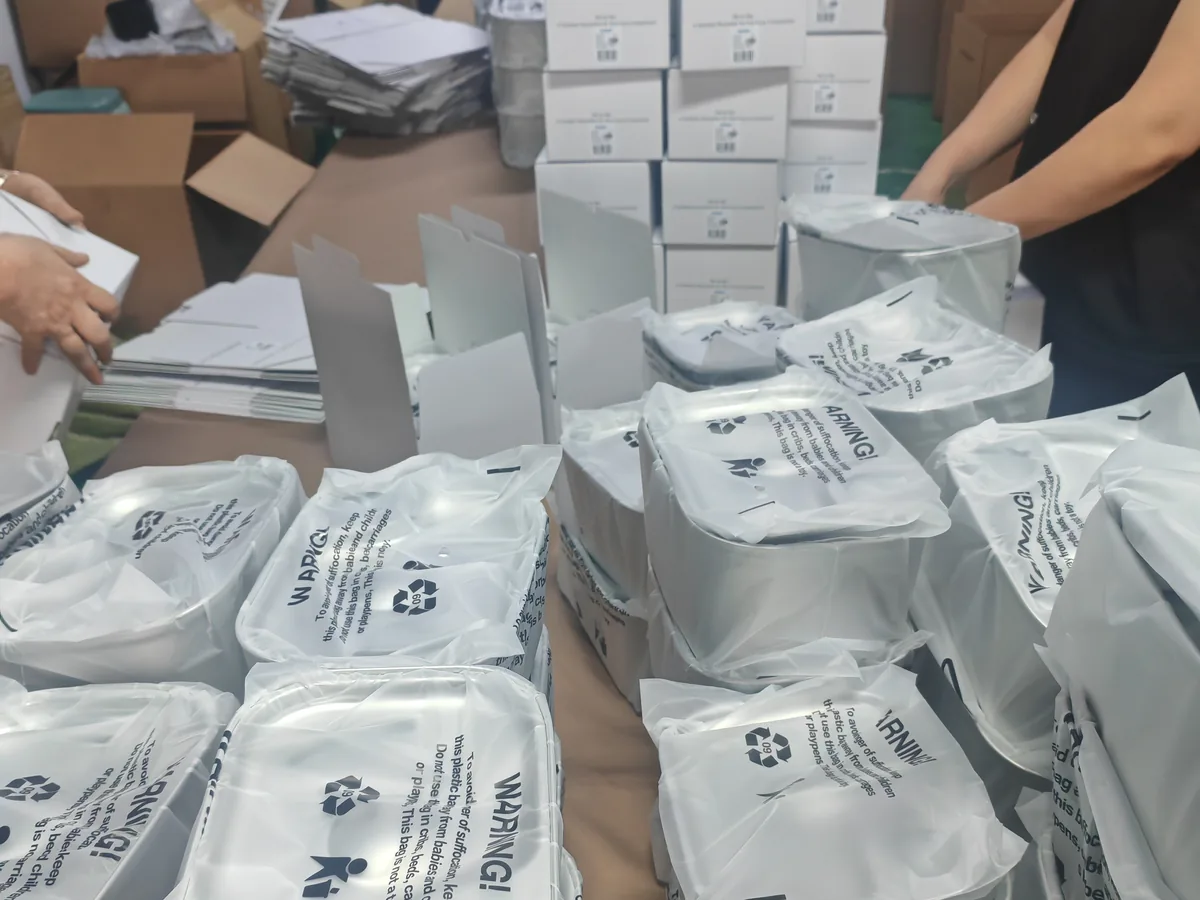
Fountelio manufactures and supplies private-label cat water fountains and has a commercial interest in this topic. Packaging materials, testing, market requirements, quantities and compatibility remain project-specific. The real photographs show selected Fountelio packing examples; they do not establish a universal pack-out or transport-test result.