

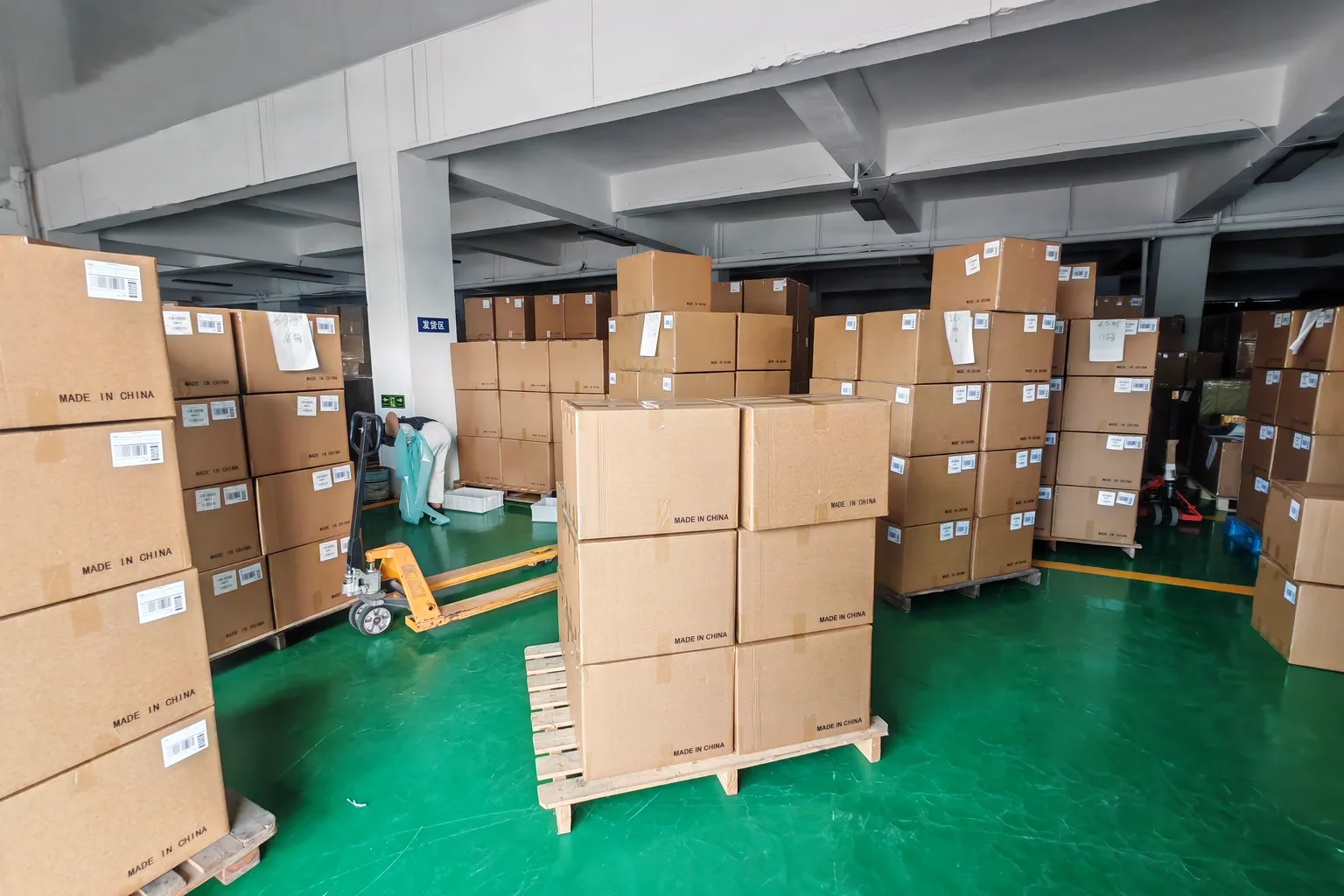
Two suppliers can quote what appears to be the same cat water fountain at very different unit prices, and both numbers may be technically correct. One may be quoting a standard powered model in a neutral box. The other may include a rechargeable configuration, logo printing, a retail carton, extra filters and delivery to a different point.
Do not ask only for the MOQ. Ask which minimum applies to the product, branding, packaging and tooling you need. Then compare quotations using the same model, configuration, included accessories, carton data and shipping basis.
A lower minimum can make a first order easier to place, but it does not tell you the total commitment. The useful comparison is the complete order: how many saleable units you receive, what is packed with them, which packaging has already been paid for and where the supplier's responsibility ends.
What Should a First-Time Wholesale Buyer Know?
- MOQ is layered. Product, branding, packaging and tooling minimums are separate.
- Cartons must be converted into units. Use the pieces-per-carton value for the selected model.
- Product and packaging quantities may differ. A smaller fountain order can still require a larger box print run.
- Unit price needs a scope. Model, accessories, packaging and shipping basis must match before comparison.
- A useful RFQ is specific. Send the market, model, quantity, configuration, branding, packaging and destination.
Why Is Cat Water Fountain MOQ Not One Number?
MOQ can refer to the product, a branding process, printed packaging or a custom-development commitment. Each minimum comes from a different part of the supply chain, so one headline number rarely describes the whole project.
A standard fountain without a logo or other printing on the product body can follow the selected model's stock and carton basis. Printing a logo introduces a model-specific production run. A printed color box or printed kraft box comes from a packaging supplier and can have a larger minimum than the product order. A new molded housing belongs to a development project, where tooling scope and expected production need to be reviewed together.
At Fountelio, we separate those questions at the start. For the current program, a standard fountain without body printing can start from five cartons, subject to the model and stock. One-color logo printing on the product uses ten cartons per model. A custom printed color or kraft retail box uses a 1,000-piece packaging run. A buyer-designed product follows a project-specific tooling review.
| MOQ layer | What it applies to | Current basis |
|---|---|---|
| Standard product without body printing | Selected model and order | From 5 cartons, subject to model and stock confirmation |
| One-color product logo | Branding on one model | 10 cartons per model |
| Custom printed color or kraft box | Private-label packaging | 1,000 packaging pieces |
| New tooling | New housing or custom product | Project-specific |
| Stock / trial order | Available stocked models | Smaller quantities may be discussed where stocked |
Model, stock and order basis
Logo application by model
Custom print-run requirement
Project-specific development scope
This is why a useful MOQ answer should name both the layer and the model. A five-carton product order and a 1,000-piece printed-box run can apply to the same first order without contradicting each other.
How Can 10 Cartons Mean Different Unit Quantities?
Always confirm pieces per carton before converting a carton MOQ into units. Fountelio's common carton quantities include 16, 18, 20 and 24 pieces, but the final packing quantity follows the selected model.
Ten cartons therefore commonly converts to roughly 160–240 units. Five unprinted cartons commonly converts to roughly 80–120 units where the selected model uses one of those carton quantities. The range is useful for early planning; it is not a universal model specification.
Carton-based ordering also affects freight planning. Two orders with the same number of cartons may contain different unit counts, occupy different volumes or use different gross weights. When I discuss a first order with a buyer, I would not turn a carton minimum into units until the exact model and its current packing data are on the quotation.
Why Are Product MOQ and Packaging MOQ Different?
The fountain order can start from five cartons while a custom printed color box or kraft box still requires a 1,000-piece packaging run. Product assembly and box printing are separate purchasing processes. The five-carton starting point remains subject to the selected standard model and stock; it does not reduce the packaging supplier's print minimum.
For example, a buyer might order 300 fountains while paying for 1,000 custom boxes. Three hundred boxes are used for the first order and 700 remain for repeat orders under Fountelio's current program. That can make commercial sense when the product configuration and artwork are stable. It creates avoidable waste when the model, pack-out or artwork is likely to change before the next order.
We prefer to identify the box version and compatible model before reserving packaging. A box left in storage is useful only if the next order still matches its dimensions, artwork, manual references and accessories. The separate guide to cat water fountain packaging explains the pack-out and approval decisions in more detail.
What Actually Changes the Wholesale Price?
Wholesale price changes with the product platform, material and operating architecture, then with configuration, included parts, packaging, order quantity and delivery scope. A product photo does not show all of those variables.
Product platform and material
A standard plastic fountain, a standard 304 stainless steel fountain, a rechargeable sensor model and a wireless-pump platform are different product structures. They can use different housings, power parts, pumps, filters, controls and assembly steps. Compare the exact platform through the cat water fountain range before treating two offers as alternatives.
Power, sensing and configuration
Standard powered and rechargeable models are not price-equivalent simply because their reservoirs look similar. Sensor type, charging arrangement, operating modes, outlet, viewing window and base version can also change the approved configuration. “Cordless” and “wireless pump” describe different design questions, so they should not be used as interchangeable quotation labels.
Included parts and after-sales scope
The included filter, pump or power parts, outlet, manual and accessory quantity belong in the quotation. A starter filter pack or separately planned replacement parts can improve the launch program, but they also change what is being purchased. Keep model-to-part compatibility explicit rather than assuming a similar-looking filter or pump is interchangeable.
Packaging, cartons and delivery
Neutral packaging, a one-color kraft box and a full-color retail pack involve different preparation. Carton quantity, dimensions and weight then affect shipping. Finally, FOB, CIF and a coordinated door-to-door route stop at different commercial points. A low factory unit price cannot be read as a delivered cost without those details.
Why Can the Cheapest Unit Price Be the Wrong Comparison?
The cheapest unit price may describe a narrower scope rather than a better price for the same order. Normalize the product and commercial terms before deciding which quotation costs less.
Illustrative scope A
Standard wholesale order
- Standard powered product
- Neutral packaging
- Standard included accessories
- FOB basis
Illustrative scope B
Configured retail program
- Rechargeable configured product
- One-color logo
- Full-color retail box
- Extra filters or accessories
- Different delivery basis
The two example scopes above are intentionally different. Scope B is not automatically better, and Scope A is not incomplete if it matches the buyer's real requirement. The problem appears when the prices are compared as though both suppliers quoted the same product, packaging and handover point.
Start with the product model and version. Then align the material scope, pump and power system, filters, accessories, box type, carton count and shipping term. If one item remains unknown, mark the quote as provisional rather than filling the gap with an assumption.
What Information Should You Send for an Accurate Quote?
Send enough information to define the saleable product and the delivery point: market, model, configuration, quantity, branding, packaging, accessories and destination. The first message does not need to be a finished purchase order, but it should narrow the project beyond “send your best price.”
- Target market: country, sales channel and any known retailer requirements.
- Platform or model: link, model reference or the closest product family.
- Estimated quantity: units or cartons, with a first-order and likely reorder quantity if known.
- Configuration: material, power type, sensing, color, outlet and other selected options.
- Branding: no print, one-color logo or another confirmed requirement.
- Packaging: neutral, kraft or full-color retail direction and manual language.
- Filters and accessories: what ships inside the fountain box and whether separate replacement packs are needed.
- Destination and shipping basis: port, city/postcode and whether the comparison should be FOB, CIF or a quoted delivery service.
- 1Market
- 2Model
- 3Configuration
- 4Quantity
- 5Branding
- 6Packaging
- 7Accessories
- 8Destination
- 9Quotation
In the projects we handle, destination and packaging are the two details most likely to arrive late. Both can change the comparison materially. A city or postcode helps determine whether a workable delivery route exists; a clear packaging direction prevents a neutral-box price from being mistaken for a private-label retail quotation.
Can You Start With a Smaller Trial Order?
Sometimes, depending on the selected model and available stock. A small commercial order should be distinguished from samples, OEM production and a custom packaging print run.
Sample
One or more evaluation units used to review product and configuration. A sample is not the normal production MOQ.
Stock trial order
A smaller commercial quantity that may be discussed where the selected model is available.
OEM production order
An order in which the applicable model, carton, logo and configuration requirements must be met.
Custom packaging run
A separate printed-box commitment that may exceed the number of fountains in the first order.
We would first check stock and the exact model, then decide whether a trial order can remain neutral or whether branding changes the minimum. A low-quantity stock order is useful only if it tests the product and channel the buyer actually intends to sell. The private-label sample brief helps separate sample questions from production requirements.
How Does Customization Change MOQ?
Each step away from a standard stocked product introduces a different production commitment. That does not mean every customization forces a large product order; it means the relevant process has to be identified.
Level 1 — Standard product: without logo or other body printing, the selected model, stock and normal carton packing set the starting point. Level 2 — Logo / private label: one-color product printing uses ten cartons per model under the current program. Level 3 — Custom packaging: a printed color or kraft box uses a 1,000-piece print run even when the fountain order remains at five cartons for an eligible model. Level 4 — Custom development: a new housing, structure or tooling scope is reviewed as its own project.
Choosing an available color or outlet is not the same as creating a new component. Likewise, a new retail box does not mean the fountain itself needs new tooling. The OEM and private-label program shows the current customization paths, while the custom-development guide explains when changes reach engineering or tooling review.
How Does Lead Time Change With the Order Type?
Current typical timing is about 2–3 weeks for standard OEM after the product, artwork and packaging are confirmed, and about 1–2 weeks for packaging preparation on suitable smaller stock-based orders. New tooling follows a separate development schedule.
| Order type | Typical current timing | Timing starts after |
|---|---|---|
| Standard OEM | About 2–3 weeks | Product, artwork and packaging confirmation |
| Available stock + custom packaging | About 1–2 weeks | Stock and packaging/artwork confirmation |
| New tooling | Project-specific | Engineering and commercial scope approval |
These are production or preparation references, not arrival promises. Stock availability, component supply, artwork changes, order size, packaging and the approval cycle can move the date. Transport time is added after dispatch and depends on the route.
From our side, the cleanest schedule starts only after the product and packaging decisions are stable. A two-week target is not meaningful if the model, logo file or retail box remains open for revision.
FOB, CIF or Door-to-Door: Are You Comparing the Same Shipping Basis?
Compare quotations on the same handover and delivery basis. A factory or port-based price cannot be compared directly with a quotation that includes main freight, customs services, duties or final-mile delivery.
The ICC's Incoterms® 2020 guidance explains how named trade rules allocate cost, risk and obligations. FOB and CIF are Incoterms rules for sea and inland-waterway transport. “Door-to-door” is a service description, not automatically an Incoterms rule and not automatically DDP. The quotation should name the agreed term, named place and included services.
| Destination | Routes commonly discussed | What the buyer should confirm |
|---|---|---|
| European Union | DDP sea + final-mile delivery; rail + delivery; dedicated truck service + delivery where available | Named destination, included freight, import clearance, duties/taxes and last-mile scope |
| United States / Canada | Sea freight with destination delivery is the main route discussed | Port or door basis, clearance party, duties/taxes, destination charges and final-mile scope |
| Australia / New Zealand | Sea freight with destination delivery is the main route discussed | Import declarations, local requirements, clearance, taxes and delivery scope |
| Southeast Asia | Land and/or sea transport with delivery, depending on destination | Border/port handover, clearance responsibility and final delivery coverage |
| Africa, including South Africa | Sea freight with destination delivery is the main route discussed | Destination port, clearance party, charges and inland-delivery coverage |
Indicative EU delivery timing
For current EU planning, DDP sea freight plus delivery to the customer's named destination is typically quoted at roughly 40–45 days after sailing. Rail plus delivery is roughly 35 days, and dedicated truck service plus delivery can be roughly 25 days. These are indicative transport windows, not guarantees. Destination, departure schedule, capacity, customs, weather and final-mile conditions can change them.
For an available EU DDP route, the written quotation can include the main freight, import clearance, applicable duties and taxes, and final-mile delivery to the named destination. Confirm the scope each time rather than assuming every door-delivery quotation includes the same items. The European Commission's EU import guidance points buyers to tariffs, taxes, formalities and product requirements; a logistics quote does not replace those market obligations.
For buyers without an established import setup
A coordinated sea, rail or road route with destination delivery can reduce the number of logistics providers a smaller buyer has to manage. It does not make import responsibility disappear. Ask who acts as importer of record, whose tax or customs details are used, which duties and taxes are included, what documents the buyer must provide and where responsibility transfers. For example, the Australian Border Force import guide describes declarations needed to clear goods from customs control.
We currently discuss DDP sea, rail and dedicated truck routes for suitable EU destinations; sea-plus-delivery routes for the United States, Canada, Australia, New Zealand and markets such as South Africa; and land and/or sea delivery routes for Southeast Asia. Availability still depends on the exact destination, quantity and product. We put the route, included charges and indicative timing on the quotation rather than assume that “door-to-door” means the same service in every country.
What Makes a Wholesale Quote Incomplete?
A quotation is not ready for comparison when the product or commercial scope is still ambiguous. The number may be useful for an early budget, but it should be labeled provisional until the missing variables are closed.
- Exact model or platform is missing.
- Unit or carton quantity is unclear.
- Color, outlet, sensing or power configuration is not identified.
- Logo requirement and artwork scope are open.
- Neutral versus custom packaging is not stated.
- Filters, accessories and manual are not listed.
- Pieces per carton, carton dimensions or weight are missing.
- Destination and shipping basis are absent.
- Lead time has no approval or stock condition.
What Should Buyers Compare Across Suppliers?
Compare the exact product and the complete commercial scope, then evaluate price. This does not require a supplier scorecard with invented weights; it requires the same fields on both sides.
| Compare | Why it matters |
|---|---|
| Exact model | Prevents a product-photo comparison from hiding a different version or platform. |
| Material scope | A stainless headline does not necessarily mean every component is stainless steel. |
| Pump and power platform | Standard powered, rechargeable and wireless-pump architectures have different components. |
| Filter and accessories | Included quantities affect the pack-out, service program and quotation scope. |
| MOQ basis | Product, logo, packaging and tooling minimums answer different questions. |
| Pieces per carton | Converts a carton minimum into the actual number of saleable units. |
| Lead-time basis | Stock preparation, OEM production and tooling follow different schedules. |
| Inspection scope | Shows what is checked before the shipment-release decision. |
| Shipping basis | Separates factory price from port, clearance and final-mile services. |
Supplier evaluation still matters beyond the quotation. The guide to choosing a cat water fountain manufacturer covers sample control, model continuity and repeat-order change management. Once an order is planned, define the pre-shipment inspection reference before production reaches the release stage.
How Does Fountelio Structure a First Wholesale Order?
At Fountelio, we normally separate four questions at the start: which model, how many units, what needs branding and whether custom packaging is required. That makes the MOQ discussion clearer than starting with one headline number.
- 01Model
- 02Configuration
- 03Quantity
- 04Branding
- 05Packaging
- 06Sample / approval
- 07Production
The model establishes the platform and current carton data. The configuration identifies the components and functions being quoted. Quantity then shows whether the order follows an unprinted, logo, stock-trial or another route. Branding and packaging are confirmed separately because their minimums and approvals are not identical.
A sample or artwork proof gives the buyer an identifiable approval reference. Production should then follow that version, with packaging and inspection linked to the same order scope. Our manufacturing process and quality-control page explain how the approved configuration continues into production and packing.
Wholesale Cat Water Fountain FAQ
What is the MOQ for wholesale cat water fountains?
There is no single Fountelio-wide unit number. A standard fountain without a logo or other printing on the product body can currently start from 5 cartons, subject to the selected model and stock. One-color product logo printing uses 10 cartons per model, custom printed packaging uses a separate 1,000-piece print run, and new tooling is quoted by project.
Is packaging MOQ the same as product MOQ?
No. A custom printed color box or kraft box requires a 1,000-piece packaging run, but the fountain order can still start from 5 cartons when the selected standard model and stock support that basis. The unused paid boxes may be reserved for compatible repeat orders under the current Fountelio program.
Can I order fewer than 1,000 fountains?
Yes, depending on the model and requested scope. A product order may be below 1,000 units, but logo printing and custom packaging follow their own minimums.
Why is the logo MOQ expressed in cartons?
The order is packed and planned by model-specific carton quantities. Ten cartons can represent different unit totals, so confirm pieces per carton before converting the MOQ into units.
Can different fountain models be combined in one order?
This depends on the selected models, stock, packing and production arrangement. Do not assume that separate model minimums can be pooled; ask for a project-specific confirmation.
Can I start with a stock trial order?
Sometimes. Smaller commercial quantities may be discussed when the selected model is stocked. A sample, a stock trial order and an OEM production run are separate order types.
Does adding a logo change the MOQ?
Yes under the current program. One-color product logo printing uses a standard minimum of 10 cartons per model. Artwork and print position still require approval.
How long does a wholesale order take?
Current typical planning is 2–3 weeks for standard OEM after product, artwork and packaging confirmation, or 1–2 weeks for packaging preparation on suitable smaller stock-based orders. Availability, quantity, components and approval timing can change the schedule.
What should I send for an accurate quotation?
Send the target market, exact model or platform, configuration, estimated quantity, branding, packaging, filters or accessories, destination and preferred shipping basis. Add manual language and market-document requirements where relevant.
Sources and Commercial References
Fountelio's current OEM & Private Label, product, manufacturing, quality and packaging pages supply the model, carton, MOQ, lead-time and program references used in this guide. Shipping routes and timings are current planning information supplied for this article and remain subject to a project quotation.
About This Guide
Written by Lance, Director at Fountelio, from a sourcing and commercial-project perspective. Fountelio manufactures and supplies cat water fountains and has a commercial interest in wholesale and OEM projects. This article explains Fountelio's current planning framework and general buyer-comparison principles; it is not independent procurement, customs, tax or legal advice.